
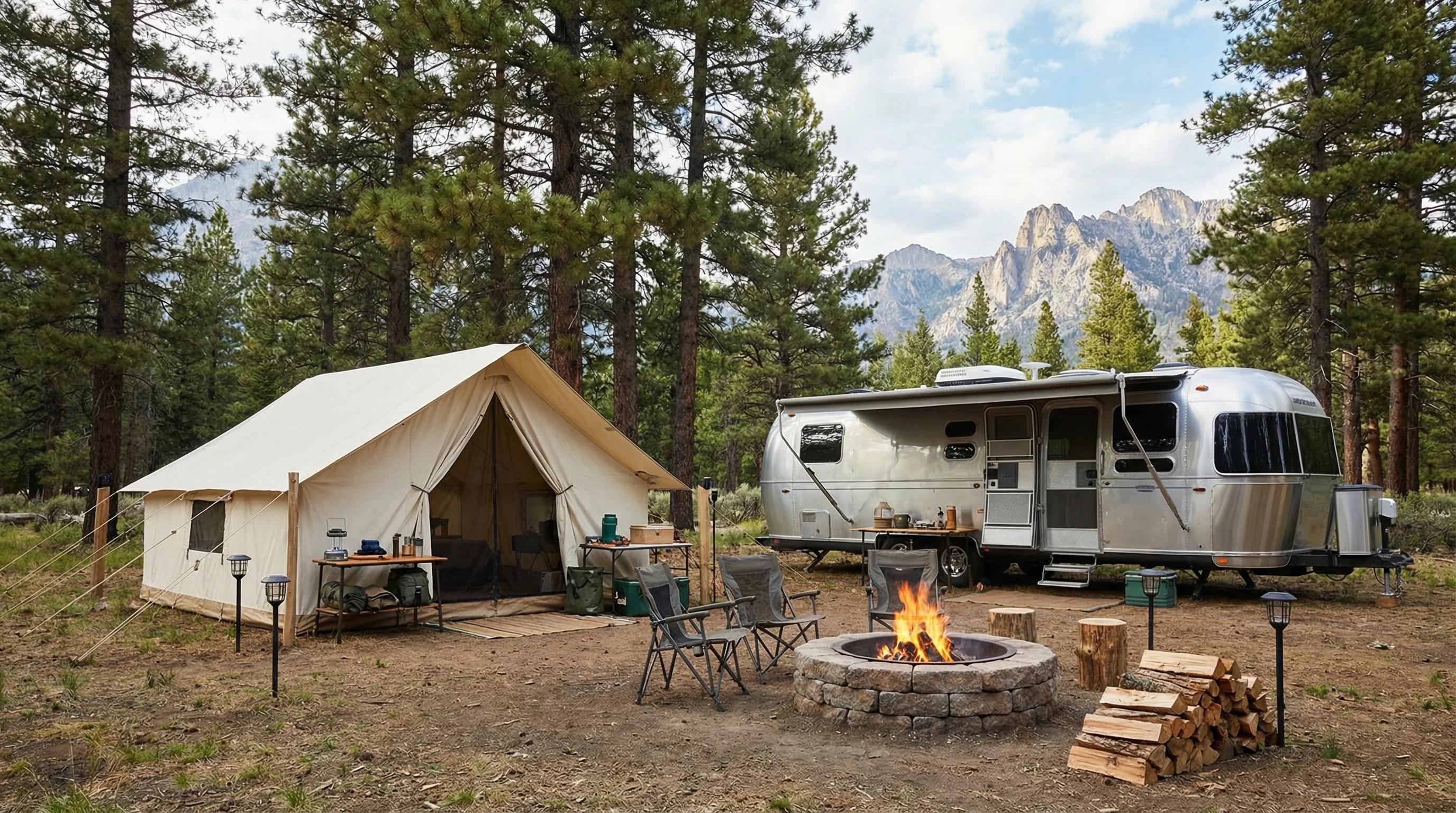
 There’s something really satisfying about arriving at a new campsite, picking the perfect spot, and getting your tent set up just the way you like it. For families and couples cruising around in RVs, fifth wheels, or travel trailers, having a quick and easy tent setup routine is super handy. Whether you want to create a cozy outdoor hangout, need some extra sleeping space for visiting friends, or just love the classic camping vibe, knowing how to pitch a tent with confidence adds a fun twist to your trips.
No matter how many weekends I spend at campgrounds across the region or chasing some sunshine down south, I never get tired of that moment when the tent goes up, and it feels like home. Over the years, a few key practices have helped me avoid the common headaches, like bent stakes, rainwater puddles, and flapping flysheets, that can derail the first hour at camp.
This step-by-step guide covers everything from picking your spot to putting away your gear, so you can set up your tent like a pro every time you hit a new park. Whether you’re on familiar ground close to home or setting up after a long haul across the country, these tips will smooth the way for a perfect start.
Choose Your Campsite Wisely
The spot you pick for your tent actually makes a huge difference in comfort and convenience. Even in well maintained campgrounds, not every patch of grass or gravel is the same. I always look for a level spot first; sleeping on an incline is nobody’s favorite after a day of hiking or kayaking. Soft, well packed ground is best, but gravel pads work too if you have a good ground tarp.
What to Look For:
- A level surface to avoid rolling around at night and prevent puddles under the tent in case of rain.
- Good drainage. Avoid obvious low spots or dips where water can pool during a storm.
- Shade for those warm afternoons. I aim for some tree cover in the morning or afternoon but avoid pitching directly under massive dead branches.
- Distance from your campfire and cooking area. Smoke and food drips attract pests.
Tip:
If your site is a little sloped, position your tent so your head will be uphill. It feels way better than sleeping with your feet higher than your head!
Unpack & Lay Out Your Gear
I’ve found that pulling everything out of the bag and laying it out flat can save a bunch of hassle. On busy weekends, nothing’s worse than realizing a tent pole or stake is missing after you’ve already started.
- Tent body and rainfly
- Pole sections (double-check connectors if it’s a multipiece set)
- Stakes (I bring extra, rocks, roots, and packed ground can do a number on the basics included with most tents)
- Ground tarp or footprint
Quick Check:
Check for rips, broken zippers, or damaged pole connections before you start. It’s way easier to swap out apart from the RV bin than to try fixing something after dark.

Use a Ground Tarp Every Time
A ground tarp or footprint not only keeps water out but also protects the floor and keeps the tent cleaner. I roll mine out a little smaller than the tent’s base so that rain can’t get trapped on top of it. Trust me, this step has saved me from waking up in a puddle during a few surprise storms!
- Line up the tarp with the shape of your tent.
- Tuck in corners so there’s no extra material sticking out once the tent is up.
Assemble & Stake the Tent Body
Setting up your tent is way easier with two people, but I’ve managed solo plenty of times by following the same routine. Usually, I thread and connect the poles first, then pop the main body up. Once it’s standing, I loosely stake each corner and make small adjustments, so it sits evenly.
Staking Tips:
- Drive stakes in at about a 45-degree angle, pointing away from the tent. They hold much better this way, especially in loose or sandy soil.
- Angle stakes so tension pulls against the bend, not straight up. This helps them stay put even if it gets windy.
- If the ground is really tough, dampen it a bit first or use a small hammer or mallet (I keep one with my camping tools).
Add the Rainfly & Secure Everything
Even if rain isn’t in the forecast, I always throw the rainfly on. Weather at campgrounds can change fast, and it adds privacy plus a bit of extra shade in the morning. Line up the doors and windows so you have easy access and a breeze if it warms up. Secure the rainfly at all attachment points and use the guy lines for stability.
Pro Moves:
- If your fly has vents, open them up for ventilation and less condensation overnight.
- Pull guy lines tight and stake them out at a distance. This keeps the rainfly off the tent body and helps in strong winds.
Organize Inside for Comfort
A great tent setup isn’t just about the outside. Once my gear is stowed, I shake out the sleeping pads and bags, hang up a small lantern, and keep my shoes in a mesh corner pocket to keep dirt out. We use a little indoor/outdoor rug at the entrance for muddy feet, which helps keep the inside from turning into a sandpit, especially after a day at the lake.
- Store valuables at your head end for easy access and security.
- Hang a headlamp or light from the gear loop in the roof.
- If it’s hot, open up vents or windows as much as possible. Just be sure the rainfly overlaps are tight if storms roll in.
Keep Your Tent in Top Shape
Taking care with setup and packing really pays off. Nobody likes musty smells or ripped corners the next trip. After every use, I shake out dirt and leaves, and if there’s time, let the tent air out before packing. If it’s been a wet weekend, I always dry everything as soon as I get home. Moisture left over is a recipe for mildew and damage.
- Clean off mud and sand with a soft brush before rolling up the tent.
- Check poles and zippers for wear and replace any lost stakes from your backup stash.
A few extra minutes of care at the end of your trip can make sure your tent lasts for many seasons. Consider storing your tent loosely rather than compressed and give it a thorough check every couple of trips. Little fixes made early will save you hassle on your next adventure.
Troubleshooting & Pro Tips
What if I forget how the tent goes together?
Most tents have color coded poles or clips, so look for those markers. On a new setup, I snap a photo of the instructions or download the manual onto my phone just in case.
How do I pitch a tent in heavy wind?
- Stake the windward (upwind) side first and keep your gear weighted down until it’s up.
- Use all guy lines for extra stability. Large rocks or gear bins work as anchors if staking is tough.
Can I set up on gravel or concrete pads?
Yes. Just use heavy duty stakes and a thick groundsheet for insulation. Sometimes I supplement with sandbags or coolers to anchor corners if stakes won’t bite in packed surfaces.
Ready, Set, Camp
Learning how to set up a tent like a pro means your weekends away start on the right foot. With a reliable system and a little practice, you’ll be relaxing in your outdoor living room with a cold drink, not wrestling tent fabric or chasing runaway flysheets. Next time you pull into camp, take a few minutes to scout your spot, prep your gear, and enjoy building your home base.
Camping isn’t just about pitching tents and sleeping under the stars—it’s about creating memories, unplugging from daily stress, and enjoying time with friends and family. If you keep refining your tent setup skills and pay attention to the little details, you’ll set yourself up for a relaxing start to every camping trip.
Quick Camp Setup Checklist:
- Pick a flat, well drained site.
- Unpack and check all tent parts before laying out the footprint.
- Assemble, stake, and tension the tent body.
- Add the rainfly and secure with guy lines.
- Organize inside for a cozy stay.
If you have your own tried and true setup tricks, or any favorite hacks for fast, stress-free tent camping, I’d love to hear about them in the comments! Let’s help each other keep the setup smooth and the memories strong on every camping adventure.