Heading into the outdoors is always an adventure, but being prepared for accidents or sudden health issues is a smart move. After years of hiking, car camping, and dealing with everything from scraped knees to allergic reactions in the wild, I know how building an all-in-one camping first aid kit can turn a stressful emergency into a manageable situation. I’m laying out how to put together a super detailed kit, mixing in tips from my own trips, so you can head to camp a whole lot more confident and ready for anything.
Why a Camping First Aid Kit Really Matters
When you’re miles from the closest pharmacy, treating a blister, cut, or bee sting yourself is the only option. While camping, little injuries get bigger fast without the right supplies. A lot of people overlook how different outdoor needs are compared to what you might stash at home. Whether you’re heading out for a quick overnight or tackling a weeklong backcountry trip, packing a specific kit for the outdoors is a gamechanger.
Wild environments bring added risks like uneven trails, bugs, unpredictable weather, and less control over your surroundings. According to CDC injury facts, common outdoor injuries include cuts, burns, allergic reactions, and sprains. If you have your own outdoor stories, you probably know how quickly things can switch up without a bit of planning.
What to Include: The Absolute Basics
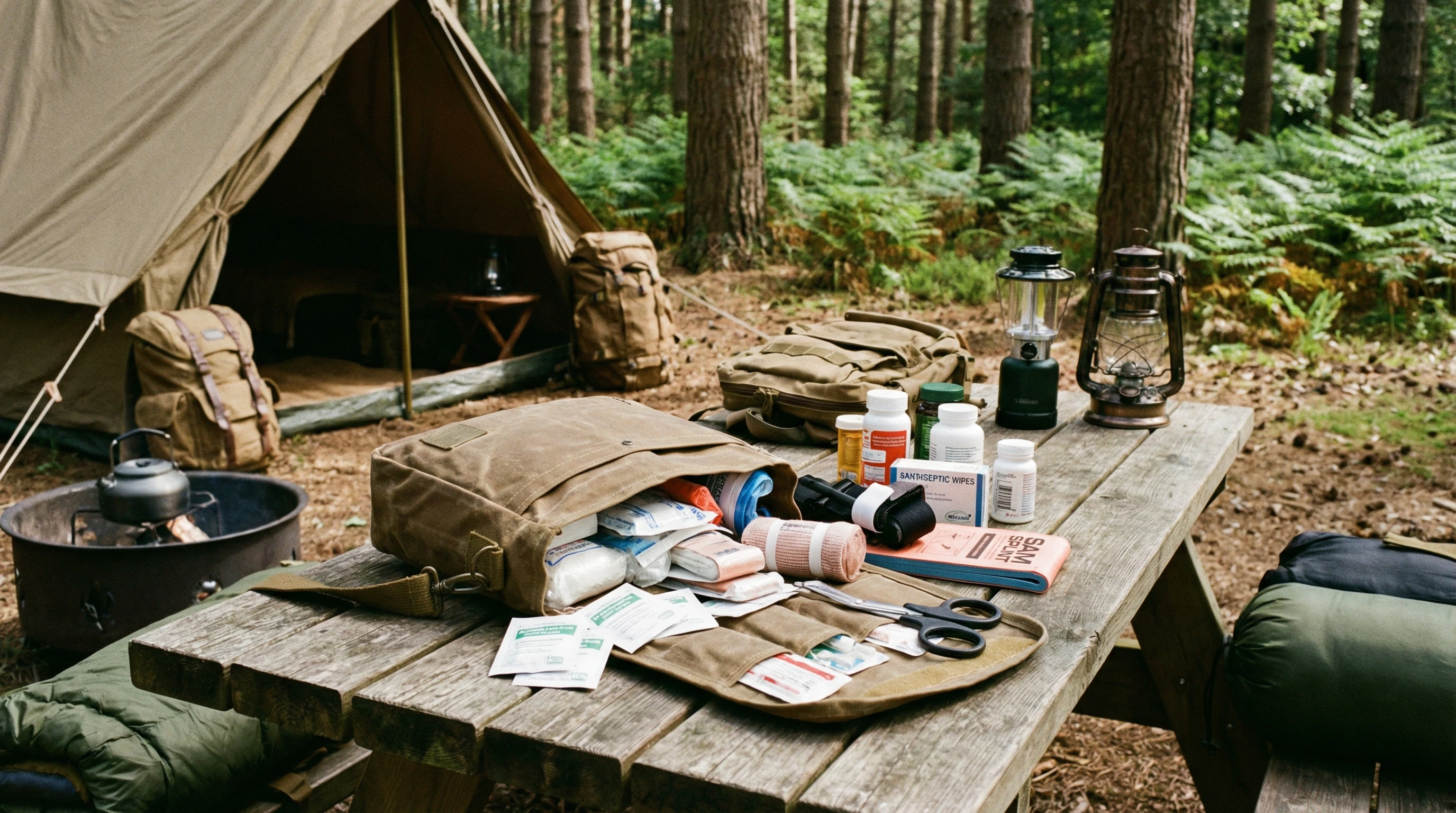
Every camping first aid kit should have a solid foundation of supplies. Here’s what I always pack, with some quick notes on why these items save the day:
- Adhesive bandages (various sizes): Perfect for blisters, nicks, and scrapes on fingers, knees, or toes.
- Gauze pads and tape: Good for bigger wounds or stopping bleeding until you get more help.
- Antiseptic wipes/ointment: Cleaning up dirt on a cut keeps infection away, especially when water isn’t handy.
- Elastic bandage (ACE wrap): Great for twists and sprains, or just holding gauze in place.
- Tweezers: Splinters and ticks happen all the time, so these are a must.
- Scissors: Cutting tape, trimming gauze, or opening tough packages.
- Thermometer (preferably digital): Fevers sometimes pop up out of nowhere.
- Disposable gloves: Protects both you and whoever you’re helping when blood or other fluids are involved.
- Instant cold packs: These are helpful for bumps, bruises, sprains, or even cooling down if it’s crazy hot.
- Triangular bandage: Works as a sling, head wrap, or emergency bandana if you need one.
All of this fits in a small waterproof pouch, making it easy to stow in a backpack or car door so it’s always on hand.
Packing for Common Camping Scenarios
No two campsites are exactly alike, so tweaking your kit a bit for your destination is a good call. I’ve adapted my gear for everything from humid forests in the Northeast to bone-dry deserts in the Southwest. Here’s an overview of what to think about and some extras you might want to throw in.
For Remote and Backcountry Trips
- Blister pads (like moleskin): Long hikes bring sore feet, and these really work wonders.
- Water treatment tablets: If you need to clean a cut with stream water, disinfecting it is key.
- Emergency whistle: While not strictly medical, if you’re lost or hurt, this helps get attention without tiring your voice out.
- Small mirror or signal device: Useful for checking hard-to-see injuries or getting rescuers’ attention.
For Buggy, Wet, or Allergy Prone Spots
- Antihistamines: Bee stings, plant rashes, or bites can pop up, especially in summer.
- Antiitch cream or calamine lotion: Itching can seriously mess up your comfort and sleep.
For Family Camping with Kids
- Kid friendly medications (like acetaminophen or ibuprofen): Always doublecheck dosages for children.
- Fun bandages: Sometimes the right cartoon character fixes a meltdown instantly.
One pro tip from my last trip: I kept a note in my kit with everyone’s medical info and allergies. If someone else needs to help, this makes things much easier and safer for everyone involved.
Add-Ons to Take Your Kit Up a Notch
Beyond those basics, a few small extras can make a huge difference. Here are some favorites I’ve picked up from more experienced hikers and paramedics:
- CPR face shield: Doesn’t take up space and keeps things way safer if you have to help with breathing issues.
- Snake bite kit: Only needed in certain locations. If it’s a risk, it’s absolutely worth checking out and packing one.
- Burn gel or dressing: Camp stoves, fires, and even hot mugs of cocoa can all lead to burns, so it’s good to have something just for that.
- Electrolyte tablets: Handy for long, hot days or if someone feels out of it from dehydration.
- Personal medications: Extra asthma inhalers, EpiPen, or anything unique to you or your group is crucial.
A mini notepad and pencil help you keep track of symptoms, log medicine times, or jot down notes for later. When you’re stressed or dealing with an emergency, those details are easy to forget without writing them down.
How to Organize Your First Aid Kit
Even the most packed kit isn’t much help if you can’t find things fast. Here’s how I organize my own gear for easy access when it matters:
- Group items by purpose—like infection control (antiseptic wipes, gloves), wound care (bandages, gauze), medication (painkillers, allergy meds), and tools (scissors, tweezers).
- Color-coded pouches or bags. I use mini zip bags in red, blue, green, and yellow so that even a friend unfamiliar with the kit can spot what’s needed at a glance.
- Waterproof all your supplies; rain, river crossings, or accidental dunkings are bound to happen.
- Keep a quick reference card in the kit with doses, basic first aid instructions, and emergency contacts for quick help during stressful situations.
Staying organized is probably the main thing that’s saved me hassle during real emergencies—and it’s easy to overlook at first.
Common Challenges and Smart Solutions
As you build and keep up your kit, you’ll run into a few common challenges. Here’s what I’ve learned over time and how I handle each snag:
Weight and Space
It’s easy to overpack and end up with a heavy kit full of things you rarely use. I pack items in small ziptop bags and focus on multipurpose tools or gear. After each trip, check what you really used and swap out anything unnecessary so you’re not lugging stuff you don’t need.
Expiration Dates
First aid supplies don’t last forever; ointments and meds especially can go bad or melt in the heat. I make it a habit to give my kit a onceover at the start of each season and replace anything that’s past its prime or looking odd.
Forgetting Personal Needs
In the rush to cover basics, it’s easy to forget inhalers, maintenance meds, or allergy gear that your group relies on. A simple trip checklist helps make sure these essentials are never left behind, no matter how rushed you are packing.
Extra Tips for First Time Kit Builders
- Try out each item before heading out. Get comfortable with your blister pads and practice tying your triangular bandage into a sling, for example.
- Take a basic first aid course, whether online or in person. A little practice makes a huge difference when you’re actually stressed in the wild.
- Pack a little cash, sealed in a waterproof bag, for emergencies where you might need to pay for help or buy something quickly.
Real World Uses: Stories from the Campsite
On a camping trip in the Rockies, a friend sliced her thumb prepping food. Our kit had butterfly closures and antiseptic wipes, turning what could have ruined the weekend into a quick patch-up job. Another time, an antihistamine helped calm a mild allergic reaction to a bee sting for my nephew miles from any road. These little extras made all the difference when help was far away and everyone’s peace of mind depended on how fast we could respond.
- Cooking accidents: Bandages and disinfectant go fast during meal prep, so bring extra for cuts and scrapes.
- Poison ivy: Antihistamine tablets and calamine lotion have saved more than one trip for me—itch relief is crucial in the woods!
- Unexpected bad weather: Extra bandages and tape help with wet, muddy conditions and falls, which happen more than you’d think.
Every camper I know has a few stories like these. Being ready can turn outdoor challenges from emergencies into minor speed bumps instead of trip-ending disasters.
Frequently Asked Questions
Question: What items are usually forgotten when packing a first aid kit for camping?
Answer: Tweezers, afterbite cream, and a few days’ supply of personal medications are often overlooked but really important.
Question: How often should a camping first aid kit be checked or restocked?
Answer: I suggest checking before and after every major trip, and at least once a season if you’re out camping all year round.
Question: Should you pack a first aid manual with your kit?
Answer: A basic first aid manual or reference card can make a massive difference, especially if someone is stressed or hasn’t practiced first aid in ages—so definitely yes.
Wrapping Up
Going outdoors always means some unknowns are ahead, but having a super detailed camping first aid kit makes all the difference for your confidence and peace of mind. With just a bit of planning, you can set yourself up to manage whatever comes your way—from simple scrapes to surprise health scares. My kit has grown and changed with every adventure, and I always recommend customizing yours to fit your group. The most useful gear is what you actually have on you, and what you know how to use when it comes down to it.
Happy camping, and stay safe out there!
This is such a practical and thorough guide to building a comprehensive camping first aid kit! I love how you not only cover the essentials like bandages, antiseptic wipes, and tools like tweezers and scissors, but you also remind us why being prepared makes such a difference when we’re out in nature. It’s clear that thoughtful preparation can turn an unexpected scrape or sting into a manageable situation instead of a stress-filled emergency. Thanks for outlining useful additions for different types of trips, from remote backcountry adventures to family camping with kids. Do you have any tips for organizing and checking your kit before each trip so you always know it’s ready to go?
Thanks, Jennifer, for the wonderful feedback—I’m thrilled the guide resonated with you!
For organizing, I love using clear zip bags or color-coded pouches to group items (wound care in one, meds in another) so everything’s easy to grab in a pinch.
Before each trip, do a quick “kit date”: check expiration dates, restock used items, and tweak for the adventure (extra blister pads for hiking?). It takes minutes and ensures you’re always ready—no surprises, just smooth sailing (or trail-blazing)!
Happy trails to you and yours and be sure to come back again in the future for more helpful ideas!
Best of Luck,
Katie