If you’ve ever shivered through a long night at the campsite, you know staying warm isn’t just about comfort—it makes or breaks the camping experience. My family and I have picked up all sorts of tricks during our cross-country RV adventures with our travel trailer. Figuring out how to keep cozy on a frosty night can mean the difference between a great memory and a rough one you’d rather forget. I’m sharing our favorite tips and gear to keep warm, whether you’re out for a weekend with friends or parked for a two-week stretch somewhere in the mountains.
Why Staying Warm Matters for RV and Camper Adventures
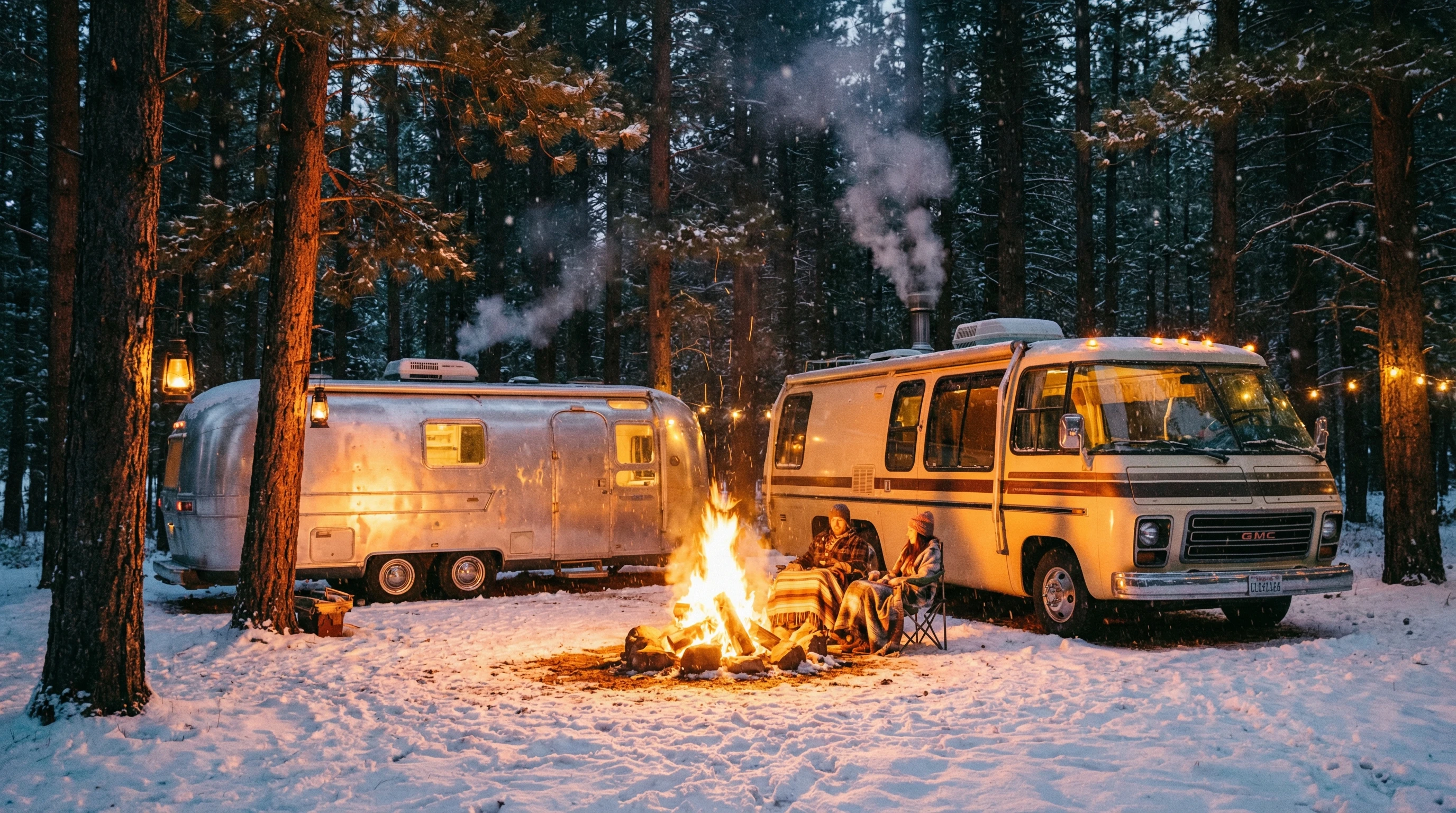
Cruising into the mountains or offseason camping is part of the thrill, but temperatures can drop fast—even in places you wouldn’t expect. Chilly nights in the Midwest, sudden cold snaps in the Rockies, or damp air in the Pacific Northwest all come with their own set of challenges. Staying warm isn’t just about catching good sleep. Cold temperatures can impact your energy, mood, and even your health, especially for kids or older family members. Knowing how to handle the cold helps you enjoy those nighttime campfires, early morning hikes, and all the spontaneous fun that comes with the territory.
After plenty of nights in the great outdoors, I’ve learned that it’s not just about piling on extra blankets. Little things throughout the day and evening can make a big difference when you finally crawl into bed. Planning ahead means you spend more time soaking up the fun and less time thinking about your frozen toes.
Gear That Makes a Real Difference on Cold Nights
Certain gear has become our go to for cold weather camping. If you’re serious about staying cozy, adding a few of these things to your packing list is totally worth it. Here’s what’s worked for us on both “just a little chilly” and “seriously cold” nights:
- High Quality Sleeping Bags: Look for bags rated for lower temperatures than you expect. Mummy style bags keep heat close, and double bags work great for couples.
- Heated Blankets or Mattress Pads: Electric or battery powered heated pads are super handy in RVs or travel trailers with power hookups. Just flip the switch and settle in.
- Insulated Sleeping Pads: If you camp with a popup or hybrid where you need extra insulation, thick foam or inflatable insulated pads add an extra boost against the cold coming through the floor.
- Warm Sleepwear: Fleece pajamas, thermal shirts and pants, and wool socks make a huge difference. Skip the cotton—it holds dampness and feels chilly by morning.
- Portable Space Heater: Electric ceramic or oil filled heaters work well when you have hookups, just always follow fire safety tips. Propane heaters made for indoor use can work in small trailers, but you’ll need to be extra cautious about ventilation and carbon monoxide.
If I’m camping without hookups, I stack up a few extra sleeping pads and focus on old school tricks to keep us warm. That peace of mind, and warmth, is always worth a little extra effort.
Prepping Your RV, 5th Wheel or Travel Trailer for Cold Weather
RVs and trailers are awesome, but staying warm takes a little planning. Thin single pane windows, gaps in slides or doors, and cold floors can all leak heat quickly. Here are tricks I use before heading into a cold night:
- Check Seals and Weatherstripping: Look for cracks or gaps around doors and windows. A roll of foam weatherstripping is cheap and easy to install where it’s needed.
- Insulate Windows: Reflective bubble panels (Reflectix) or insulated curtains block out drafts and hold warmth inside. I cut custom panels for our bedroom windows that pop in at night and stow away in the morning.
- Rugs and Runners: Laying out carpet runners or area rugs stops cold air from creeping up through the floor, especially if you’re parked on gravel or bare ground.
- Heated Water Hose: If the temps dip low enough to freeze your lines, a heated hose for your water hookup will spare you a frozen surprise.
- Vent Covers: Special covers for ceiling vents keep in the heat and block out cold drafts, and they’re handy for blocking sunlight or rain, too.
- Tank Heaters: RV tank heaters or heat tape can keep waste and water tanks from freezing on really cold nights.
When we know it’s going to be cold, I’ll even stash extra throw blankets in the living area and use them when hanging out for movie night or game time to keep everyone comfortable without running the furnace nonstop.

Smart Habits for Staying Warm (Beyond the Gear)
What you do all day has a big impact on how you feel when the sun goes down. Here are some habits that have helped us enjoy chilly nights a lot more:
- Eat a Warm Dinner: Warm, hearty meals like soups, stews, or pasta not only satisfy hunger, but they also help raise your body temperature before you settle in for the evening.
- Change Clothes Before Bed: Even when I don’t feel sweaty or damp, I switch into a fresh set of dry sleepwear at night. Dampness, even from sweat or humidity, adds a cold chill fast.
- Layer Up Early: Don’t wait until you’re already cold to start adding layers. Light base layers plus a sweater or fleece top early in the evening keep chills at bay.
- Seal up Early: If we’re spending the evening around the fire or at a friend’s site, I make the rounds and close up windows, vents, and curtains before dark, so the RV holds onto as much warmth as possible.
Planning things out in the afternoon saves you from scrambling once it’s already chilly inside. And if you’re camping with kids, keeping a bedtime snack handy, like a cup of hot cocoa or some warm milk, is a fun ritual that warms from the inside and signals it’s time to cozy up for sleep.
What to Watch For: Common Cold Night Camping Problems
Even with good prep, camping when it’s cold can have surprises. Here are some bumps we’ve run into (and how we deal with them):
- Condensation: Breathing, cooking, and even running a propane heater can create moisture that builds up on windows and corners. A small dehumidifier or just cracking a vent helps reduce condensation. Nobody likes waking up to wet bedding or damp clothes.
- Frozen Water Lines: Sometimes it’s still possible to end up with a frozen hose or faucet overnight. I keep a backup jug of water inside for brushing teeth or making coffee just in case.
- Running Low on Propane: Cold nights burn through propane faster than you’d think. We always check tanks in the afternoon and keep a full spare for weekends.
- Electrical Overload: Running a heater and other big electric appliances together can trip breakers in some RV parks. Spread out your use of high wattage stuff to avoid waking up cold in the middle of the night.
Dealing With Wind and Extra Cold Weather
Camped out in windy areas? Even the warmest setup loses heat quickly with wind howling under your RV or through small openings. I’ll sometimes skirt the RV with foam boards or attach fabric skirts if I expect a blustery night. Parking where trees or shrubs break up the wind can help, too. For longer stays, setting up a small windbreak with tarps or strategically parked gear can really cut down on how much your trailer gets blasted by the elements. And don’t forget to double up floor insulation if the wind is sneaking up from underneath.
Extra Tips for Active Campers
If you’re spending days hiking, biking, or exploring nearby attractions, you’ll feel the cold differently at night. Staying hydrated and fueled on busy activity days is key for keeping your body temperature up. And if you come back to camp feeling chilled, a quick shower, even a sponge bath, and slipping right into dry, warm clothes makes all the difference before you crawl under the covers. For extra comfort, stow a reusable heat pack in your bed before you turn in—it’ll help warm up chilly sheets fast.
Frequently Asked Questions
Here are some of the questions I get most often from friends who join us for cold weather adventures:
Q: How do I safely use a space heater in my RV?
A: Use electric space heaters with auto shutoff features, keep them away from blankets, furniture, or curtains, and never leave them running unattended. Always check for adequate ventilation if using propane or fuel based heaters. Safety is really important here.
Q: Can you use regular home blankets, or do you need special camping gear?
A: Regular blankets work in a pinch, but insulated sleeping bags, technical blankets, and sleeping pads made for camping do a much better job keeping in warmth. I usually pack both for layering options.
Q: Is it possible to camp comfortably below freezing?
A: Absolutely, with solid gear and good prep. Many RVs and trailers can handle temps below freezing if you insulate, cover windows, and keep an eye on your heater and water lines.
Staying Warm Makes Camping Memories So Much Better
A little effort goes a long way when you’re out camping in the cold. Packing smart, keeping your trailer insulated, and picking up a few healthy cold weather habits means you get to focus on the fun stuff and worry less about the temperature. For my family, early morning pancakes and night hikes under the stars are only possible when we’ve all slept warm and comfortable. Next time the forecast calls for a chilly night at camp, you’ll be ready for it, and odds are, you’ll enjoy it way more. For more real-world tips, reviews, and camping inspiration, check out the rest of the articles at shamrock77camping.com.