If your crew loves camping as much as mine, you know the excitement of planning those getaways, especially in the RV or fifth wheel. But I’m always a little conscious about how much waste and plastic we bring along. There’s so much cool ecofriendly camping gear out there now, and picking the right options helps keep those beautiful national parks and coastlines clean for future trips. I’ve rounded up some of my favorite choices and practical ideas for families who want to make greener choices without missing out on comfort or convenience.
Why Eco-Friendly Gear Matters for RV and Family Camping
Every time I visit a busy campground or set up at a stunning seacoast site, I’m reminded how important it is to leave as little trace as possible. Disposable cutlery and single use plastics add up quickly, especially with a family. Choosing ecofriendly camping gear doesn’t just cut down on trash; it supports companies going the extra mile for cleaner manufacturing, renewable resources, or fair working conditions. Plus, many of these products are durable so you’re not replacing them every season.
Eco-product trends have jumped in recent years, with many outdoor brands now offering lines made from recycled materials or biodegradable ingredients. Even little changes can make a big difference when multiplied by thousands of camping households. Many parks and campgrounds have started recognizing families who use waste-reducing gear, which encourages more people to join in.
Must-Have Sustainable Gear for the Family RV
Getting started with eco gear is easier than ever. Here are some of the basics I now bring on nearly every RV trip:
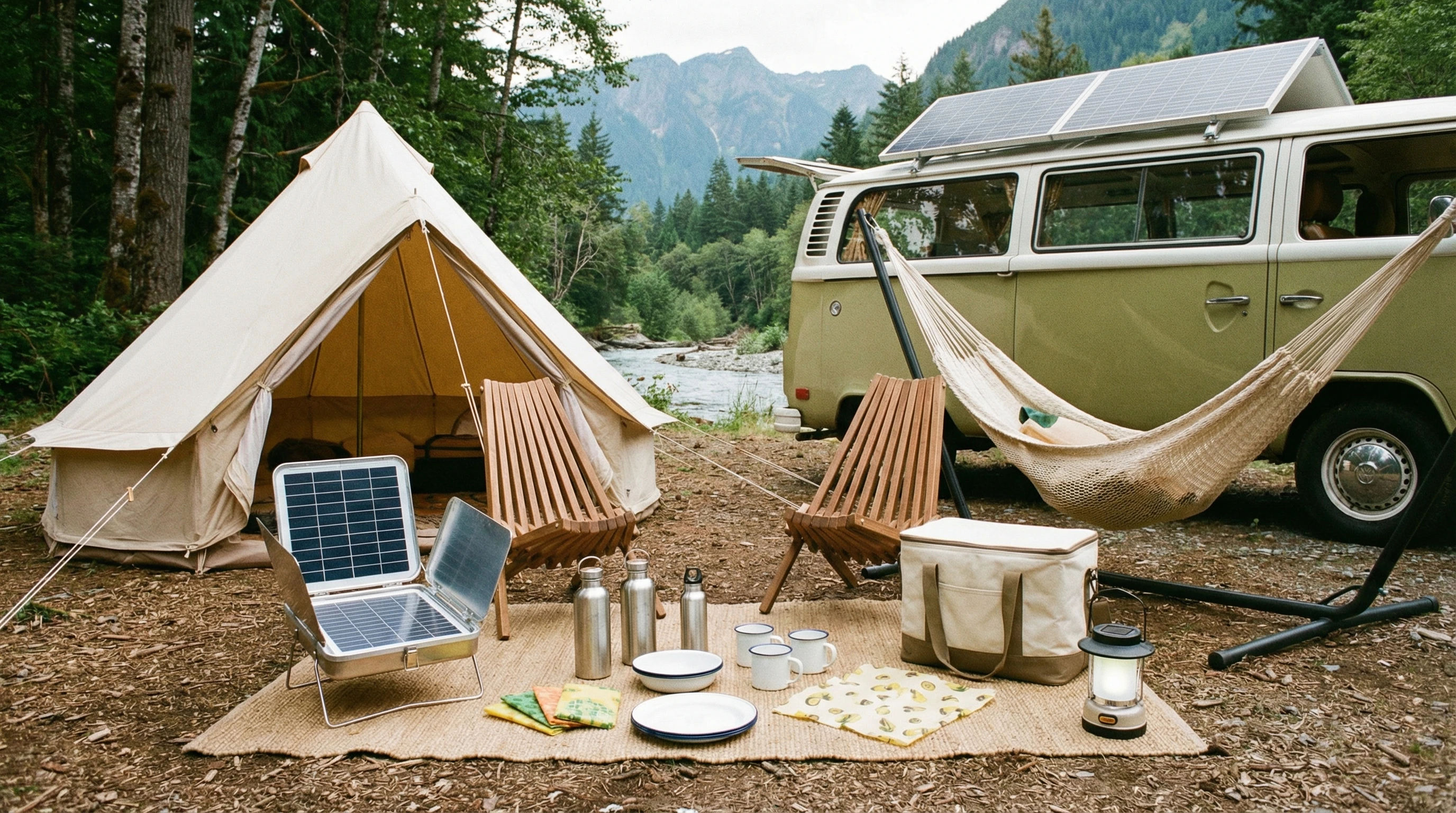
- Reusable Tableware: Swapping disposable plates, cups, and cutlery for bamboo, stainless steel, or recycled plastic sets is a simple switch. I especially like the lightweight bamboo plates. They’re a breeze to wash up at the campground spigot and stand up to lots of use.
- Solar Powered Lanterns and Chargers: Lanterns that soak up the sun during the day and light up your picnic after dark are super handy. I also bring a solar charger for phones or the portable fan, cutting down on outlets or wasted batteries.
- Water Purification Bottles and Filtration: Instead of packing a mountain of single use water bottles, I stick with a reusable filter bottle or collapsible water jug. These are perfect when we’re dry camping or want fresh water on hikes. Just fill from the nearest safe source and filter as you go.
- Compostable or Biodegradable Bags: These are lifesavers for food scraps and pet waste. They break down much faster than regular plastic and some campgrounds require you to use them.
- Cloth Towels and Wipes: Instead of paper towels, I keep a set of microfibers or upcycled cotton towels on hand. They’re way better for spills, muddy paws, and drying dishes. Plus, they double as napkins or even tiny blankets if needed.
Picking Eco Gear: What to Look For
With so many green claims on labels, finding genuinely ecofriendly camping gear can get a little confusing. Here’s what I check for when I’m shopping:
- Materials Sourcing: Items made from recycled content, organic cotton, bamboo, or bioplastics tend to have a lower footprint. Stainless steel and titanium are great for cookware because they last nearly forever.
- Certifications: Look for Fair Trade, Bluesign, or GOTS (for organic textiles) labels. These usually mean stricter guidelines for the environment and workers.
- Minimal Packaging: Products with less or recyclable packaging are always better. Some brands even run take-back or recycle programs for worn out gear.
- Durability and Repairability: Gear that holds up trip after trip is a smart investment. If it’s repairable, like sleeping bags or chairs with replaceable parts, that’s even better. A jacket or tent you can patch rather than trash saves money and landfill space.
Don’t forget to check for user reviews or experiences online. Other campers can help spot gear that lasts and call out any misleading “green” promises that fall short. I’ve found that online forums and eco-conscious camping groups often provide great feedback about which products really deliver on sustainability.
Gear That Makes Camp Cooking Cleaner and Greener
Camp meals might be the highlight of any trip for our family, so having the right kitchen setup is a gamechanger. Here’s what’s working for me right now:
- Reusable Storage Bags: I use silicone or zippered fabric bags for snacks, leftovers, or trail mix. They’re sturdy and way better than constantly tossing disposable zip tops. Some even work in the freezer or microwave.
- Ecofriendly Camp Stoves: Some portable stoves now use renewable fuels like wood pellets rather than propane. I’m a fan because they pack down small and there’s no bulky tanks to refill.
- Biodegradable Soap: Dish and multipurpose soaps designed to break down naturally protect streams and soil around the campground. I keep a small bottle in the outdoor kitchen bin now. Some brands even make plant-based soaps with a great scent.
- Unbleached or Upcycled Napkins: Napkins made from recycled fibers or even bandanas do the trick for messy meals. Wash and reuse—no problem. The kids like picking their favorite “camp napkin” for the weekend.
Using reusable dish covers or beeswax wraps can also cut down on plastic waste during meal prep. I’ve noticed that opting for solid dish detergents and refillable spray bottles helps as well. Getting the hang of prepping and cooking with ecofriendly options can be fun for the whole family.
Eco-Friendly Sleep and Shelter Solutions
If you’ve browsed outdoor stores lately, you’ll notice sleeping bags, mats, and tents made with recycled fabrics popping up all over. Our family tends to be pretty rough on gear, so I appreciate when something can take a beating but is also a bit more sustainable:
- RecycledFiber Sleeping Bags: Brands like REI and The North Face have lines stuffed with recycled polyester. Warmth and comfort stay the same while less landfill waste is created.
- Eco Tents and Awnings: Look for canopies and tents that use PFCfree waterproofing. These coatings don’t shed chemicals into the wild during rainstorms. Some even use tent poles made from recycled aluminum.
- Insulated Blankets from Recycled Materials: They double as picnic rugs or an extra layer on chilly nights and pack down small for storage in the rig. We keep at least one per person in our family kit.
- LowImpact Camping Mats: Mats and pads featuring recycled foam or fairtrade certifications help you sleep well while supporting greener manufacturing.
If you’re upgrading your tent or sleep setup, check for modular parts and simple repairs. Being able to patch a tear or swap out a broken pole keeps your gear in use longer and out of the dump. Plus, brands that offer repair programs or spare parts show real commitment to sustainability.
Problems & Trade-Offs to Think About
It’s not always easy to balance comfort, cost, and sustainability for family trips. Here are a few things I’ve noticed:
- Upfront Cost: Some Eco gear is pricier than generic versions. I try to focus on durability and how long I’ll use it. Often it balances out over time because you simply don’t have to keep buying replacements.
- Availability: Specialty items, like certain compostable goods or nature safe soaps, might not be in every big box store. I usually stock up online or buy ahead of busy trip weekends. If you find a local outdoor shop supportive of green gear, give them a shout out too.
- Learning Curve: Switching to new systems, like water filtration or solar charging, can take a little practice. Testing gear at home before hitting the road helps a ton. The kids love “camping out” in the backyard, and it’s a great way to get used to new setups.
Durability Versus “Disposable”
I ran into this with reusable utensils and storage jars. If the gear is annoyingly heavy, impossible to clean, or breaks, my crew simply won’t use it. So, I focus on items that are easy to wash, pack, and repair. Practicality wins every single time with kids and pets running around. Try borrowing ecofriendly options from a friend to test before buying if you’re unsure.
Budget Choices That Still Make an Impact
You don’t need a total gear overhaul to make a difference. Swapping in a few key reusable pieces and skipping extras you don’t need is a solid move. I started with silicone storage bags and a couple of solar lights and built up my eco-kit from there as budget allowed. Some dollar stores now carry reusable straws, cloth napkins, or even small compost bins, making first steps super affordable.

Extra Steps: Greener Habits at the Campsite
Gear is a big part of the equation, but small habits matter too. I encourage my kids to pick up every last bit of trash, even if it isn’t ours. We stick to marked trails, avoid disturbing plants, and leave critters alone. Packing out food scraps or compostable bags when bins are full is another way to leave camp better than we found it.
If you camp with pets, ecofriendly waste bags keep things clean for everyone. For us grownups, switching to solid shampoo and soap bars (instead of those little plastic travel bottles) has really cut down on clutter and waste inside the camper. Collecting water in a collapsible bucket for dishwashing instead of letting it run can save gallons over a weekend. And don’t forget to let your campsite neighbors know about local recycling options or share extra supplies—they might not know what’s available on site.
Common Questions About Eco-Friendly Camping Gear
How can I tell if camping gear is truly ecofriendly?
Checking for recycled materials, reputable certifications, and strong repair policies is really helpful. I avoid anything with vague green claims or “natural” labels with no proof. Peer reviews and camping forums are helpful when you want to spot genuinely sustainable products.
Are there any solar gadgets really worth the investment?
Solar lanterns and small solar charging banks have saved me so many times, especially if campsites have limited hookups or we’re dry camping for a night. They last for years if you store them properly between trips. Some models now come with built-in power banks and weather resistance, making them even more practical on the road.
What if the campground doesn’t have compost or recycling?
I pack out everything, especially food scraps, wrappers, cans, or glass. Biodegradable bags help when I can’t find compost bins, and some local dump stations now accept sorted recyclables. It might take extra effort, but it shows your kids the importance of taking care of the places we all share.
Making Green Choices Part of Your Family Camping Tradition
With a bit of planning, it’s pretty easy to build your own set of green camping gear. Whether you’re swapping out dish soap or investing in a solar gadget, these products make a difference for your family and the places you love to visit. Not only does the right eco gear keep your setup running smoothly, but it’s a good example for the next generation of campers. Maybe that’s the best souvenir you can give your kids on those family weekends under the stars.