
Camping trips always seem to test both my patience and my resourcefulness. When gear lets me down far from the nearest help, it pays to know a few DIY repair tricks. Over countless adventures, I’ve learned that a bit of preparation and some simple repair skills can save the whole trip. Rather than calling it quits when equipment fails, I keep hiking, cooking, and exploring by relying on a handful of go-to fixes and a small repair kit. Here’s my guide to handling unexpected mishaps in the wild, with practical tips to keep your adventure rolling.
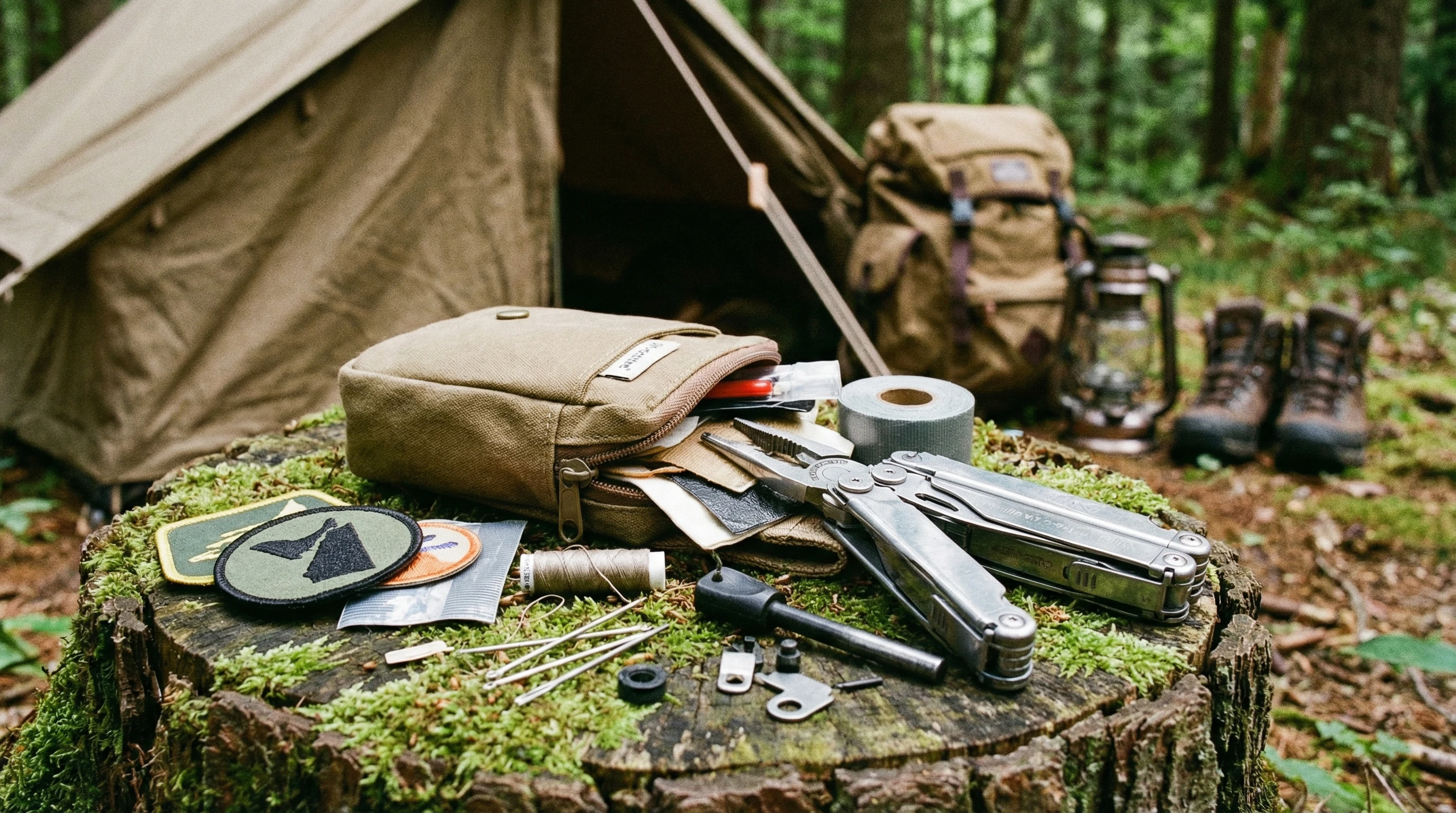
Key Tools and Supplies for DIY Camping Repairs
When I’m prepping for a camping adventure, I make sure a basic repair kit is packed alongside my meals, first aid, and flashlight. Experience taught me that a few tools are essential for getting through the bumps and snags that trail life brings:
- Multitool: Handles cutting, screwing, opening cans, and almost anything else you throw at it.
- Duct tape: Holds tents together, reseals cracked water bottles, and patches up gear fast.
- Tenacious tape or repair patches: Ideal for fixing tents, sleeping pads, and jackets when a tougher patch is needed.
- Sewing kit: A few needles and durable thread can close up torn packs or reinforce loose seams in a pinch.
- Paracord: Always comes in handy as a replacement for snapped guy lines, for tying tarps, or standing in for a lost shoelace.
- Zip ties: When something just needs to stay together for a little while, these clamp gear back quickly and securely.
- Extra tent stakes: Having a spare or two means you won’t be out of luck if one gets bent or lost in the undergrowth.
This foundation of tools isn’t bulky, yet it’s enough to sort out most gear issues that pop up mid-adventure. Packing just these basics means I’m ready for most common repair jobs without overloading my pack.
Common Gear Issues and How I Fix Them
Even with rugged outdoor gear, trouble always finds a way. Instead of letting something small ruin the mood, I handle these typical problems with quick field solutions:
- Tent Tears: Small holes in tent fabric are common. I clean the area, press on a patch or some tenacious tape, and I’m usually set for the night—and often for the rest of the trip.
- Leaky Air Mattress: Tracking down a slow leak is frustrating but fixable. I listen or feel for escaping air, then fix the hole with an adhesive patch or some trusty duct tape (if needed).
- Busted Zippers: Sticking zippers on tents or sleeping bags benefit from a bit of graphite (rubbed from a pencil) or gentle work with pliers from my multitool to coax jammed fabric out.
- Cracked or Broken Tent Poles: I splint the pole with a sturdy stick and tape, or slip on the tent pole sleeve that comes with most tents. Zip ties are great for a temporary fix as well.
- Backpack Strap Woes: Fraying or coming loose? I use the sewing kit for a quick fix, or thread paracord through the loops if I need a fast temporary solution.
Getting these kinds of problems sorted means fewer sleepless nights or sore shoulders while hauling gear. Each repair is a simple confidence boost for handling whatever else the trail chucks at you.
Patching and Sealing: Tents, Tarps, and Rain Gear
I never want to spend a rainy night with leaky or torn waterproof gear. To keep my tent, tarps, and rain jackets watertight, I always reach for my repair kit before trouble hits:
- Tents & Tarps: For rips or holes, repair tape gets the job done. The trick is to clean and dry the surface, stick the patch firmly, and double up if needed. If the weather’s not ideal, duct tape at least helps until I can make a more permanent repair.
- Rain Jackets: A torn sleeve or seam can be fixed with tape inside the jacket; if there’s time, I add another layer outside for double coverage.
- Leaky Seams: Seam sealer fills in worn or punctured seams and helps keep the rain out. This is one of those things where a little goes a long way, especially on older tents.
While repairs stick best when clean and dry, I’ve patched more than a few tents in the rain. Those fixes might not be forever, but they get me through the night in comfort.
Tackling Cooking and Water Gear Repairs at Camp
Food and water are crucial on any trip, so keeping cookware and bottles usable is always on my mind. Often, a quick fix keeps things safe and running until I get home:
- Crumbling Water Bottle: Duct tape seals up cracks for the trip’s duration, with the warning to never use tape on any drinking surface or mouthpiece.
- Splintered Spoon or Mug Handles: Tightly wrapped tape, or paracord if it’s a handle, can get me through the weekend. Eating with improvised (clean) sticks is only a last resort!
- Finicky Stove: I first look for simple issues—confirm there’s fuel, and use a needle from the sewing kit to clear clogged jet holes or burners.
- Lost Stove Windshield: I improvise with aluminum foil, flat rocks, or a bent metal can—whatever I have to keep the flame protected from wind.
Water quality is something I never gamble with, so if my filter or bottle gets damaged, I always boil my water, just in case, until I’m sure the fix will hold or until I replace the gear at home.
On-the-Spot Clothing and Footwear Repairs
A soggy sock, ripped jacket, or broken boot lace can threaten even the happiest adventure. These fixes keep me comfortable and moving, no matter the weather:
- Clothing Rips: I keep a sewing kit and safety pins at hand, while tenacious tape covers holes, especially on puffy coats where it keeps down feathers from sneaking out.
- Wet or Damaged Boots: I stuff them with dry socks and let them air dry. For soles peeling away, a wrap of tape or paracord keeps the boot functional until I can repair it properly at home.
- Busted Laces: Paracord or even tent guy line cord keeps boots on, sometimes for months—a testament to the magic of field repairs.
I always stash an extra pair of socks and a t-shirt in a dry bag just for emergencies. A little extra comfort turns most repairs into minor bumps instead of disasters.
How to Pack a Ready-for-Anything Repair Kit
Putting a kit together isn’t about hauling everything you own—just the essentials. I only carry what I’ve proven works, so I stay light and capable:
- Multitool (with pliers, blade, scissors, and screwdrivers)
- A few sizes of repair tape and some precut patches
- Pocket sewing kit (strong needles, thread, spare buttons, safety pins)
- 10+ feet of paracord wrapped around a pencil or spare bit of gear
- A handful of zip ties and a couple of spare tent stakes
- Mini bottle of seam sealer or a tube of super glue
This compact bunch fits neatly in a zippered pouch stored in a side pocket of my backpack, always ready for whatever fate throws at me.
Tips for Quick vs. Lasting Fixes
Some fixes are only meant to last until I’m done with the trip; others can become nearly permanent. Here’s how I know which approach to take:
Quick Fixes: Duct tape, safety pins, and paracord can get the job done fast, getting me back on the trail or to bed without delay.
Longer-Term Fixes: For deeper rips or major gear failures, I double up repair materials, use glue, or hand-stitch heavier fabric to buy more time. As soon as I get home, I redo these with proper repairs for the next trip.
Real-World Field Fixes: What I’ve Handled Most
Years on the trail have left me with plenty of stories—here are my most-used repairs:
- Slapping a patch and duct tape on tent mesh torn by a branch
- Reinforcing a backpack strap with dental floss from my kit after running out of thread
- Patching a slow air mattress leak with repair tape, using a heavy rock to press the patch overnight
- Making a makeshift splint for a tent pole using a stick and tape in stormy weather
- Tying a lost boot lace with paracord and not missing a step the rest of the trip
Each fix boosts confidence and grows my bag of tricks for the next curveball nature tosses my way. In fact, it’s become part of the adventure—sharing “how I fixed it this time” stories around the campfire makes everyone a little more prepared.
Frequently Asked Questions
What’s the absolute minimum I should carry for repairs?
Duct tape, a multitool, some zip ties, and paracord will resolve most smaller emergencies on a typical trip.
Can you patch a tent in the rain?
It can work, but the patch or tape will stick much better if things are dry first. A quick duct tape fix will do for a night, but reapply the patch once you can let things dry.
Is there a good replacement for a lost tent pole?
Absolutely—a strong branch and some tape or cord will usually keep your tent upright for the night. Trekking poles also make good stand-ins if you have one.
What’s the safest method for fixing torn rainwear?
Tenacious tape applied inside the jacket keeps most rips sealed. For big tears, tape both sides and add an extra layer of clothing if it’s still leaking until you can fix it thoroughly at home.
Wrapping up, a reliable repair kit and some tried-and-true tricks mean staying comfortable, safe, and ready for whatever the wild throws at you. Get into your next camping adventure with a bit of repair know-how in your back pocket—you’ll be surprised how handy it becomes!
This is a fantastic and genuinely useful guide! As someone who’s had more than one trip saved by duct tape and a bit of paracord, I really appreciate how you’ve broken down the essential tools and matched them to specific, common problems. Your advice is spot-on—especially the tips on patching in the rain and the absolute minimum kit (duct tape, multitool, zip ties, paracord). It turns potential trip-enders into minor inconveniences. Thanks for sharing such practical wisdom; this is the kind of resource every camper should have bookmarked!
Thanks to you, Cian, for visiting us. Hope you can find more useful information in our pages to help you in any ways.
Happy Camper to you,
Best Regards,
Linda