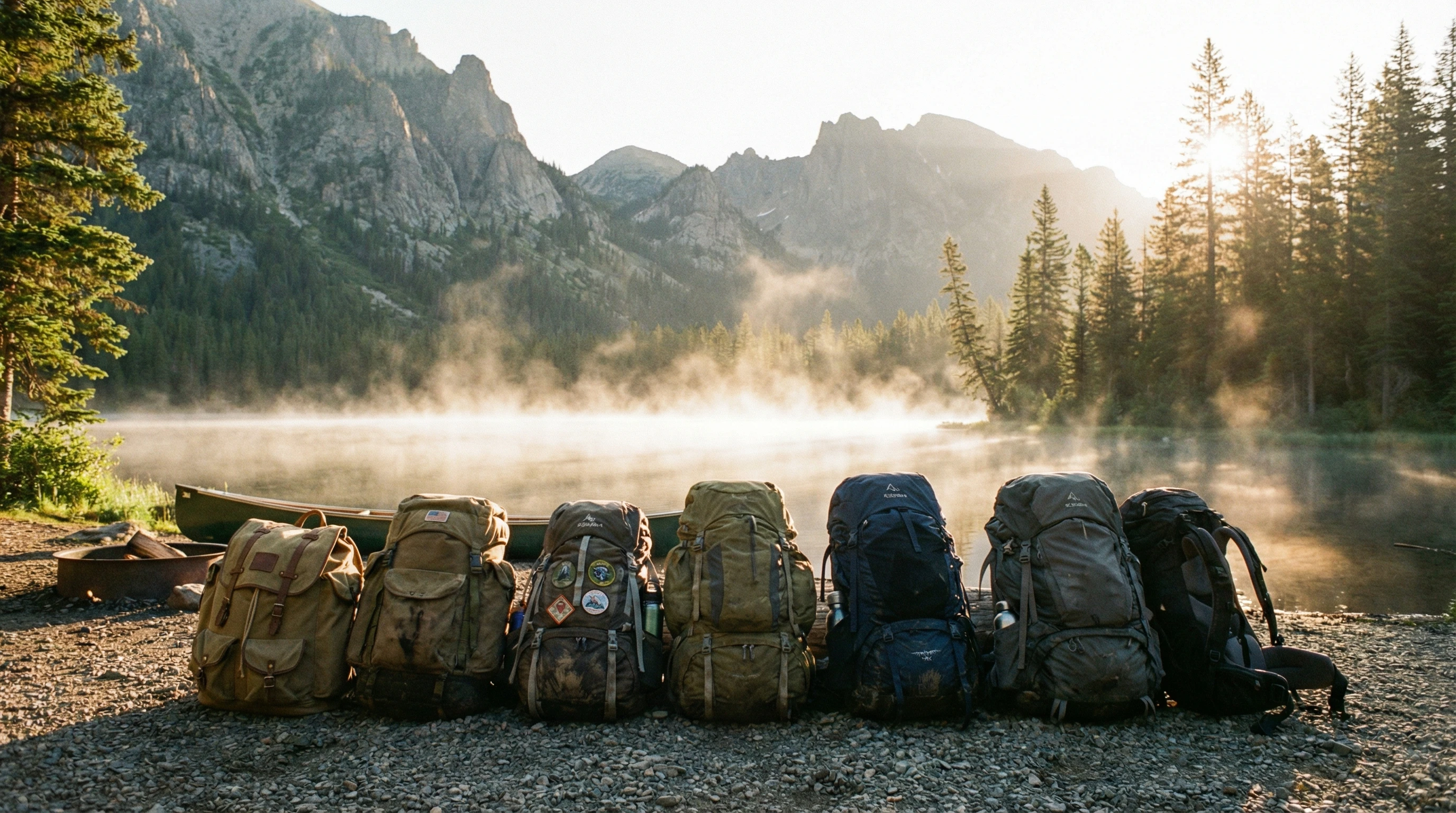
When you’re camping out with friends by a mountain lake and planning a full day of hiking in the national forest, having the right backpack can totally change the whole experience. Picking out a camping backpack isn’t just about finding something big enough for your stuff—it comes down to comfort, practicality, and how it matches up with your adventure plans. Our crew has tried out a bunch of packs on mountain trails and around camp, so here’s what we’ve learned to help you figure out what will work for you.
Why Your Camping Backpack Choice Matters
For our group, a backpack is more than just gear. It’s home base for a day (or several) in the wild. It has to keep up with changing mountain weather, unexpected climbs, lakeside lunches, and provide enough space for everything you want to bring without dragging you down. The camping backpack market has been growing fast, and you’ll spot all sorts of options from big names like Osprey, Deuter, Gregory, and Mystery Ranch, right down to affordable brands at REI and Decathlon. Picking the right fit gives your comfort a boost and keeps you happy when the trail gets steep.
Camping backpacks have seen quite the blowup. What used to be heavy and basic is now lightweight, cleverly designed, and loaded with systems to keep you cool and organized. Backpacking culture has exploded too, especially with younger travelers eager to dig into wilder places, so every season brings new features or special tweaks.
Figuring Out What Kind of Backpack You Need
Before heading out, it’s smart to know the different types of backpacks out there and what they’re best for. Our group usually groups the choices into a few categories:
- Daypacks: Perfect for short hikes from the campsite, hauling layers, snacks, and water. Usually 15–35L in size, and some have built-in hydration systems. If you’re just doing a quick loop or planning to get back for sunset burgers, a daypack does the trick.
- Weekend Packs: If you’re spending the night, a 40–60L pack covers your sleeping bag, a compact tent, food, and extra gear. Look for a sturdy suspension system and good hip support so you’re comfortable even with a bit more weight.
- Expedition or Extended Trip Packs: When you’re jumping into long distances or hauling big items like bear cans and group gear, larger packs up to 80L are a must. These shine on multi-night treks, though they’re probably more than you need for basic day hikes.
Some hikers love ultralight packs for a minimalist style, but those usually offer less padding and aren’t as forgiving with odd-shaped gear. For our trips, we lean toward classic framed packs with ventilation for better comfort and carrying power.
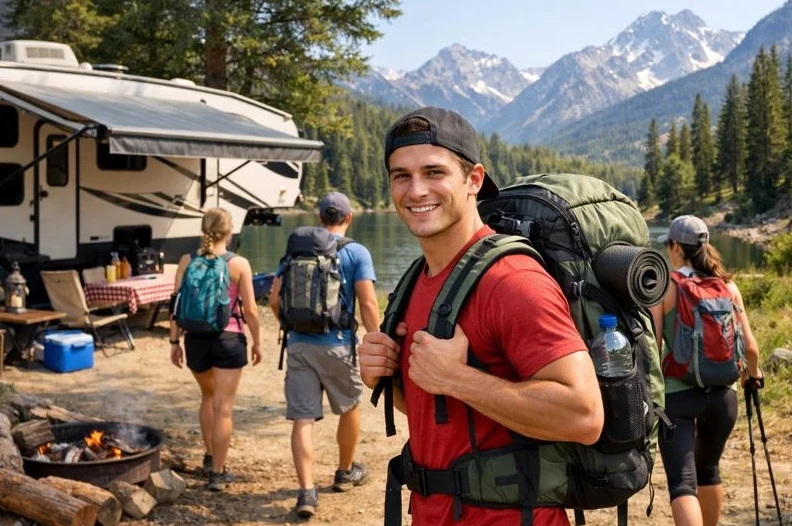
How We Compare Camping Backpacks
Picking the “best” backpack is less about brand and more about how it actually fits your body and your plans. Here’s the checklist we use on our trips:
- Fit and Comfort: Adjustable torso length, padded hip belts, and smart weight distribution matter most. An uncomfortable pack turns a fun hike into a struggle quickly, especially when climbing or scrambling rocky terrain.
- Weight: Lighter is generally better, as long as you’re not giving up comfort or durability. Some packs are super light but less sturdy; others handle weight beautifully but make you work harder. I usually look for a balance of both.
- Volume and Accessibility: Plenty of space for your gear, but not so much it gets lost in the pack. Top loaders are common, but having front access is a lifesaver for grabbing sunblock or sandwiches without dumping the whole thing. Extra pockets come in handy for keeping gear that everyone wants to borrow—maps, headlamps, first aid kits—all easy to find.
- Ventilation and Weather Protection: High-altitude hikes or sweaty switchbacks can be uncomfortable, so mesh back panels or built-in airflow channels help a ton. Integrated rain covers or water-resistant materials keep your stuff dry if storms blow in.
- Durability and Materials: I go for tough nylon or ripstop fabrics. Packs get snagged, dropped, and tossed in the back of the car or on camp rocks. Strong stitching and zippers can make your pack last a whole lot longer.
- Extra Features: Hydration sleeves, trekking pole holders, sleeping bag compartments, and detachable lids add real convenience on longer days outdoors.
Testing backpacks loaded with weight before buying is a pro move. Our group swaps around packs during hikes so everyone can spot differences and help friends pick the right model when they buy later.
Packing Tips and Things You Might Overlook
Even the best backpack only works if you pack it right. Here are some tips from our real-world trips:
- Balanced Loading: Keep heavier items near your spine and centered—this makes rough terrain safer and less tiring.
- Weather Protection: A rain cover is smart, but I always line my main compartment with a garbage bag or lightweight drybag too. Double protection makes a big difference if you get caught in a storm.
- Quick-Access Pockets: Set aside a side or top pocket for the stuff you use most: bug spray, snacks, a buff, or GPS.
- Hydration: Hydration sleeves are convenient, but when it’s freezing, insulated bottles can keep your water from turning into a block of ice.
It also helps to look for packs with easily adjustable straps, so anyone who borrows the bag or shares it on a trip can adjust for comfort in no time.
Popular Picks from Our Group
These are some packs that have stood out for us over time:
- Osprey Atmos/Aura AG: Super comfortable for long trips, ventilated back panel, and lots of handy pockets. It fits most people thanks to easy adjustments.
- Deuter Futura Series: Known for awesome ventilation, durable build, and not too much extra weight. These packs tackle rainy weather and bumpy trails with no problem.
- Gregory Paragon/Maven: Great suspension, light for their capacity, and adjustable torso length. If your group includes people of all sizes, this line is a top pick.
- REI Flash 22: For day hikes, it’s a wallet-friendly, fold-flat pack that’s easy to stash and perfect for exploring nearby waterfalls or woods without lugging your main bag.
If you’re after great value, REI and Decathlon house-brand models are worth hunting down for casual outings or shorter hikes.
Common Backpack Questions From Campers
We get a ton of questions from campers new to the group, so here are answers to some of the most asked questions:
How big of a pack do I need for camping?
For a basic overnight or weekend trip, most friends are happy with a 50–60L pack that leaves room to toss in layers and food. If you’re venturing out for long day hikes, a 20–35L daypack is all you need. Multi-day or ultralight trekking with lots of group gear? Go bigger—70L or so—especially if you’re carrying the tent or kitchen for everyone.
What’s the deal with men’s versus women’s packs?
Plenty of top brands offer both, and some have unisex models. Women’s packs often feature straps, hip belts, and torso lengths built just a bit differently. Several of us switch between men’s and women’s models to find what fits best—there’s no harm in trying both if you can.
Are expensive backpacks really worth it?
You’ll sometimes pay more for extra comfort, real durability, and great warranty support. That said, a cheaper bag does the job too—just maybe with fewer bells and whistles. The main thing is comfort, then the extras, then price if you’re stuck choosing among options.
Can I use a regular school backpack for camping?
If you’re packing light and hiking short distances, it works, but most school packs don’t have the support or hip belts for bigger loads. For longer adventures, proper camping backpacks leave your back and shoulders a lot happier by day’s end.
What Our Camping Experience Has Taught Us
After dozens of trips to lakes, up mountain trails, and through unexpected weather, our group knows there’s no such thing as a one-pack-fits-all solution. Finding the right fit, smart design, and a good size pays off with happier hikes and better campfires. If you’re getting ready to step up your backpack game, make time for trying packs on, loading them up, and getting tips from friends who hike. Here’s to your next outdoor adventure—happy trails from our lakeside crew!