Rolling up to a new spot in my travel trailer always brings a sense of excitement, along with a bit of strategy. Finding the perfect campsite is much more than just picking the prettiest spot. As someone who camps in an RV, travel trailer, or 5th wheel, my needs differ from those of tent campers. There are certain things I really pay attention to, and picking up the right tricks makes every trip way more relaxing and enjoyable.
What Makes a Campsite Great For RVs and Trailers?
From the outside, most campsites look like they offer the same basic experience. But if you’ve spent any time hauling a rig around, you know the details can either make your stay smooth or really stressful. It’s super important to keep a checklist in mind.
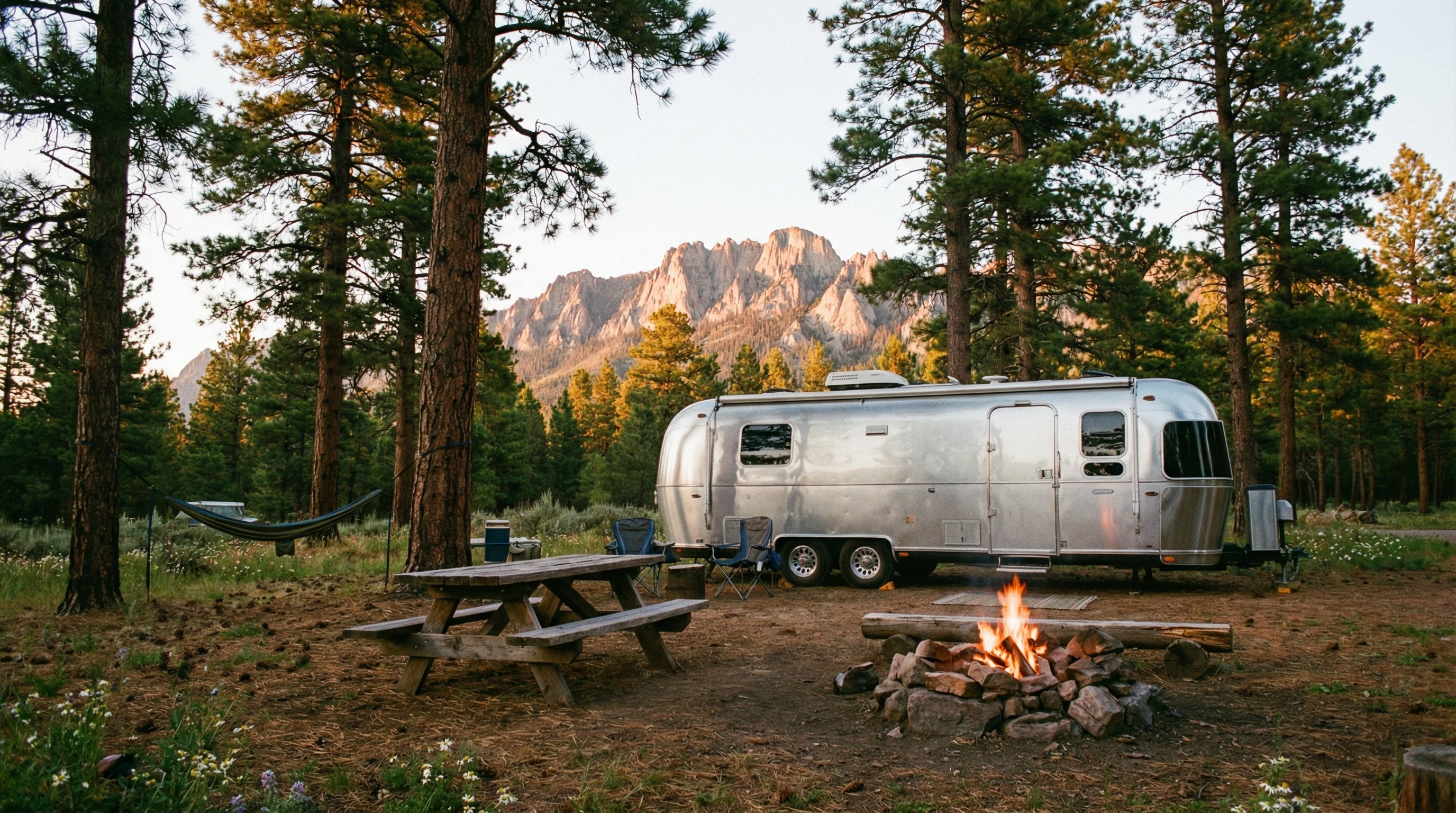
Easy access, level ground, and enough room for slideouts and awnings are a few things at the top of my list. Utilities like electric, water, and sewer hookups add a ton of convenience, especially for longer trips. A solid site is not just about comfort. It’s also about safety and not risking damage to your RV or gear.
Campsite popularity keeps going up, and spots that cater to trailers and RVs are seeing more bookings each year. According to KOA’s 2023 camping report, the number of RV campers is higher than ever. With a surge in demand, I find it helpful to know exactly what I’m looking for, especially during busy seasons.
If you’re new to this style of camping, it might take a few trips to really get a feel for what matters. Spend some time at different campgrounds and ask fellow campers what makes a site perfect in their eyes, since every setup and preference can vary. Over time, you’ll notice which details make the biggest difference for your own adventures.
RV and Travel Trailer Campsite Essentials
Pulling into a site and realizing something’s missing is a feeling I like to avoid. Here’s what I focus on when picking out a campsite for my travel trailer or 5th wheel:
- Site Size and Layout: Enough space for my rig and tow vehicle, plus room for outdoor chairs or a grill. This makes hanging out outside way more enjoyable and less cramped.
- Access and Entry: Easy to maneuver into, especially with a long trailer or if trees and boulders are in the way. Look out for sharp turns or low branches that could scrape your roof.
- Level Ground: Saves me time and frustration when setting up. A mostly flat spot keeps slides and appliances working right.
- Hookup Availability: Whether I want full hookups or can go offgrid, I always check in advance so there are no unpleasant surprises.
- Privacy and Shade: I really appreciate a bit of separation from other campers and a shady spot for cooler afternoons, especially in warmer climates.
- Proximity to Amenities: Some sites benefit from being close to bathrooms, showers, or a pool, while others are better because they’re private and quiet. Deciding what’s most important for your trip style will help you choose the best spot.
Quick Guide: Steps For Picking the Right Campsite For Your Rig
This is the process that works best for me when checking out campsites for my travel trailer, RV, or 5th wheel:
- Check the Campground Map: Most campgrounds post detailed maps online. I look for pull through versus back in options and check the length restrictions for each site.
- Read Reviews and Photos: Fellow campers often mention if a spot has tricky access, poor drainage, or bad Wi-Fi. Photos help spot hidden gems or problem areas fast.
- Look at Hookup Details: Not every site offers the same setup. I double check electric amperage (30 versus 50 amp), water, and sewer so I get what I need for comfort.
- Measure Your Rig: I know my total length, including the tow vehicle. That way I don’t end up with awkward parking or sticking out into the road, which can be a hassle for everyone.
- Check Pet Policies: If I’m traveling with pets, I make sure the campground is petfriendly and see if there’s a designated area for them to stretch their legs.
- Ask About Cell Service: If I need to work or catch up with family, I’ll ask about coverage. This is super handy for remote parks where service can be spotty.
Factors To Consider Before Booking a Campsite
Even if a site looks great at first glance, I know there are a bunch of things that can affect my stay. Here are some I always keep in mind:
- Weather Exposure: If the forecast calls for wind or storms, sites with natural windbreaks or tree cover are useful. Wide open spots might look nice but can be rough with bad weather.
- Drainage: A lowlying spot can become a puddle after rain. I try to pick sites on higher ground or that feature a gravel base for better drainage.
- Road Conditions: Truly remote sites sometimes have rough or narrow roads. I always check whether my trailer can handle it before committing. Don’t forget to consider the approach to the campground as well as the internal roads.
- Security: Well lit and active campgrounds feel safer than secluded ones. I weigh privacy against peace of mind, depending on where I’m camping. If I’m traveling solo, I like a bit of activity nearby so I feel comfortable at night.
Level Ground
Level ground isn’t just about convenience; it’s essential for proper operation of appliances and for comfort in your RV. An uneven spot means more time spent with leveling blocks and less time relaxing. I carry a few leveling devices with me just in case, but it’s much easier to start with a flat base so setup is simple. If you don’t have automatic leveling, make sure you’ve got enough blocks and a reliable bubble level so you’re not scrambling when you arrive.
Hookups And Utilities
The type of hookups available at each site changes everything about how I plan. Full hookups mean I can run the AC, keep the water heater going, and empty tanks right at my spot. With partial hookups, I plan more water saving strategies and use campground dump stations. For completely dry camping, I make sure my batteries and tanks are topped off before arrival.
Sometimes the only available sites are dry. In those cases, spending a night or two “boondocking” is actually a fun way to get a different experience and enjoy the scenery without neighbors right next door. Just be sure your power and water needs are covered. Solar panels or a small generator can help keep lights on and batteries charged if you like more offgrid adventures.
Access and Maneuverability
Getting a big trailer or RV into a tight site can be stressful. Narrow roads, tight turns, or overhanging branches are things I always factor in. Campground maps and user photos, or even Google Earth, help give a good idea of what I’m dealing with before I arrive. If I’m not sure, calling the campground usually clears things up. Many staff members are happy to make recommendations if you let them know your rig’s length and model.
Extras That Make a Campsite Awesome
Sometimes, it’s the little bonuses that really make a campsite stand out. Here are a few that I always appreciate:
- Fire Pits and Picnic Tables: Having a sturdy table and a safe ring for campfires adds to the camping vibe and makes outdoor meals much easier to organize.
- Shade Structures or Pavilions: East or west facing sites can get toasty. Built shade or natural cover makes a big difference when relaxing in the afternoon or cooking outside. tarps and screen rooms also come in handy if natural shade is missing.
- Views: Whether it’s lakes, mountains, or dense forest, picking a site with a nextlevel cool view always makes coffee in the morning better and adds to the overall mood of the trip.
- Direct Trail Access: Some campgrounds have direct access to hiking or biking trails, or even nearby fishing spots. If you enjoy outdoor activities, check the map for trailheads right from your campsite—these extra perks can save you packing up again once you’ve set up camp.
- Space for Games or Kids: Larger sites with grassy areas can be perfect if you’re camping with family or friends. Nothing beats a little room to toss a football, set up a hammock, or let the kids play safely while you relax nearby.
FAQ: Common Campsite Questions From RVers and Trailer Campers
These are some of the questions I hear most often when chatting with other campers about finding the right site for their rigs:
Question: How do I know if my travel trailer will fit in a specific campsite?
Answer: Always measure your total setup, including any towed vehicles. Most campgrounds list the max length online or on their reservation pages. When in doubt, call ahead and give them your total length to be sure. Some campgrounds also have photos or measurements for each site to help you decide.
Question: Is it better to choose a pullthrough or backin site?
Answer: Pullthrough sites are easier to get in and out of with big trailers, especially if towing is new for you. Some backin spots offer better views or more privacy, but often require a bit more skill to access. Consider your comfort level with backing up, and if in doubt, ask the campground which type will work best for your rig.
Question: What if the site isn’t completely level?
Answer: Bring leveling blocks or ramps to help out. I use a bubble level to check, then add blocks under my wheels or stabilizers until everything is steady and appliances, like the fridge and doors, operate as they should. It’s a small step that brings noticeable comfort for the whole trip.
Question: Are there special campsites just for big rigs?
Answer: Many campgrounds now offer extralarge sites for Class A motorhomes and long trailers. Look for “Big Rig Friendly” labels on the campground’s site map or website. You can always ask the staff when booking. Larger sites are generally wider and offer easier entry so your setup is smooth.
Final Thoughts
Wrapping up, picking the right campsite for a travel trailer, RV, or 5th wheel can really set the tone for your camping adventure. Whether you’re after convenience, a killer view, or just a quiet, easy setup, having a checklist and keeping your needs in mind makes all the difference. Learning from other campers’ reviews and being willing to check in with staff sets you up to find great spots time and time again. No matter where you set up camp, the right site can turn a simple trip into an adventure you’ll want to repeat every season.